Low GABA and Addiction (And How to Restore Calm, Stability, and Self-Control)
Addiction is often framed as a problem of willpower, morality, or bad habits.
But for many people, addiction is something far more physiological — and far less personal:
👉 A nervous system running without brakes.
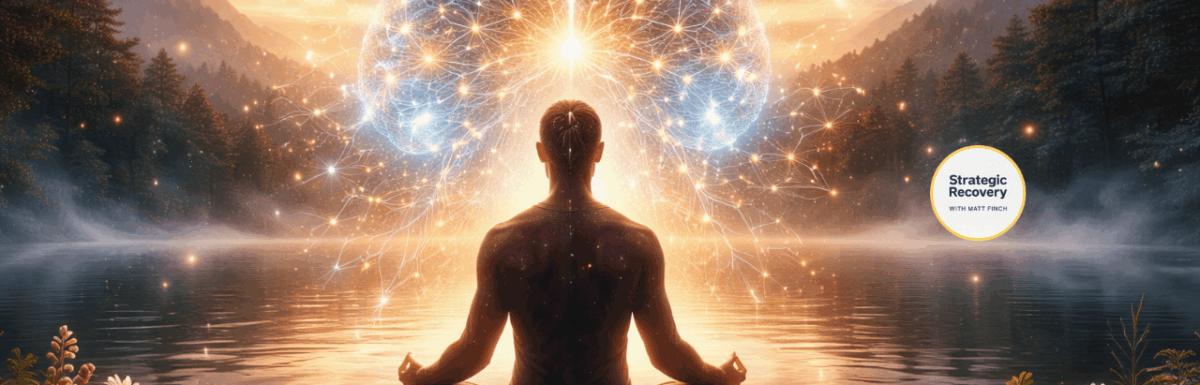
At the center of this issue is a neurotransmitter most people were never taught to think about strategically:
🧠 GABA (gamma-aminobutyric acid)
When GABA is low, the nervous system struggles to regulate stress, emotion, sleep, and impulse control. For millions of people, this biochemical imbalance quietly drives anxiety, cravings, relapse risk, and the compulsive pull toward substances or behaviors that offer temporary relief.
This article explores the low-GABA–addiction relationship, why it forms, how it perpetuates itself, and — most importantly — how to reverse it naturally and sustainably.
By the end, you’ll understand not only what GABA is, but how to optimize it strategically as part of long-term addiction recovery and nervous system healing.

What Is GABA? 🧠⚖️
Gamma-aminobutyric acid (GABA) is the brain and central nervous system’s primary inhibitory neurotransmitter.
If excitatory neurotransmitters like glutamate, dopamine, norepinephrine, and epinephrine are the gas pedal, GABA is the braking system.
Its core functions include:
- Slowing excessive neural firing
- Dampening stress responses
- Regulating emotional reactivity
- Supporting deep, restorative sleep
- Relaxing muscles and lowering physical tension
GABA allows the nervous system to shift out of fight-or-flight and into rest-and-digest.
When GABA levels are healthy, people often experience:
- Calm alertness
- Emotional steadiness
- Better sleep quality
- Reduced pain sensitivity
- Improved impulse control
- A sense of internal safety
GABA doesn’t suppress life — it creates the conditions for clarity, presence, and self-regulation.
What Happens When GABA Is Low? ⚠️
When GABA levels drop, the nervous system loses its braking capacity.
The result is a state of chronic overactivation.
Common Low-GABA Symptoms 🧠
When inhibitory signaling runs low, the nervous system can feel “stuck on.” These are some of the most common patterns people report:
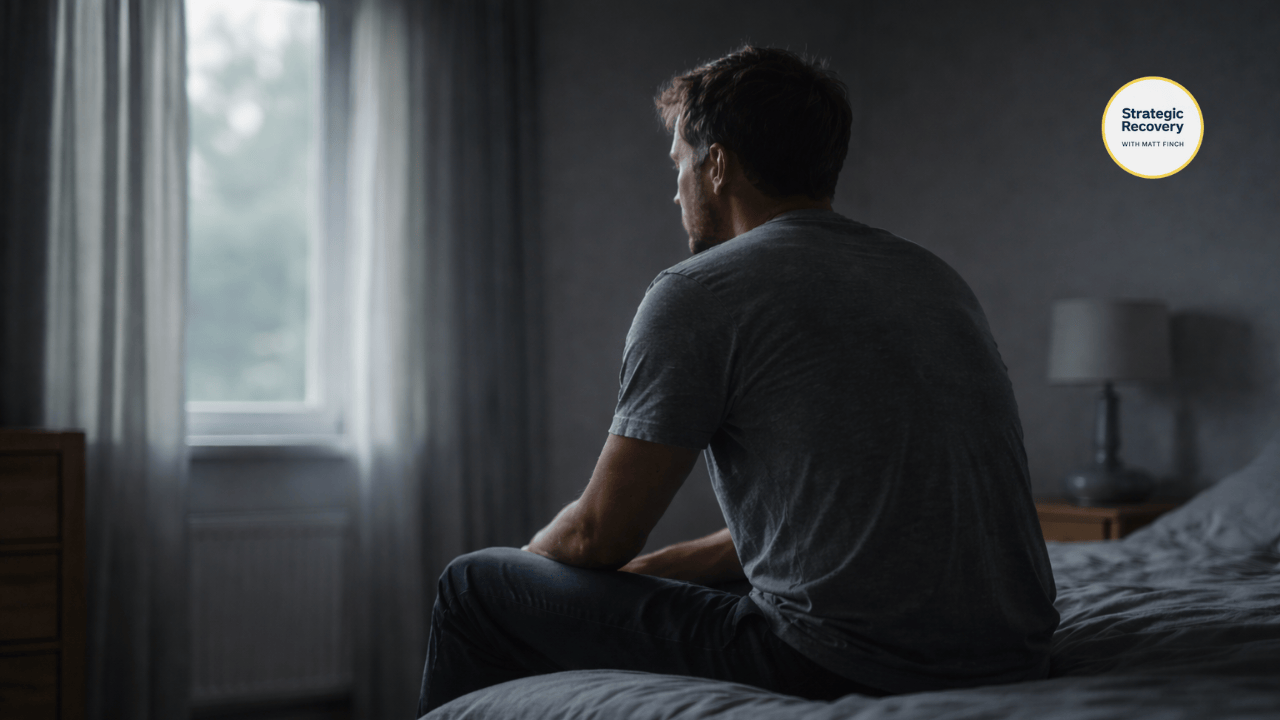
Many people with low GABA describe feeling like their nervous system is never fully off.
This state is exhausting — and it creates the perfect conditions for addiction.
But when you rebuild regulation, cravings lose their fuel.
The Low-GABA–Addiction Loop 🔁
The relationship between GABA and addiction is bidirectional and self-reinforcing.
There are two common entry points into the loop:
1 Low GABA → Substance Use
Some people are born with or develop low GABA due to:
- Genetics
- Chronic stress or trauma
- Poor nutrition or malabsorption
- Sleep deprivation
- Long-term inflammation
These individuals often feel chronically tense, anxious, or overstimulated — even before any substance use.
Alcohol, benzodiazepines, opioids, cannabis, and certain behaviors temporarily increase GABA activity, creating relief.
The nervous system learns quickly:
“This is how I calm down.”
Substance Use → Low GABA
Others begin using substances recreationally or socially — without initial anxiety issues.
But repeated exposure — especially to GABA-ergic substances like alcohol and benzodiazepines — causes the brain to adapt by:
- Down-regulating GABA receptors
- Reducing endogenous GABA production
- Increasing baseline excitatory tone
Over time, the nervous system becomes dependent on the substance to achieve basic calm.
Either pathway leads to the same destination:
Why Alcohol and Benzos “Work” — Then Backfire 🍷💊
Alcohol and benzodiazepines bind to and activate GABA-A receptors, increasing inhibitory signaling.
Initially, this results in:
- Relaxation
- Reduced anxiety
- Sedation
- Emotional numbing
But the brain is adaptive.
To protect itself from overstimulation, it compensates by reducing receptor sensitivity.
- Tolerance (needing more for the same effect)
- Rebound anxiety
- Insomnia
- Irritability
- Withdrawal symptoms

Root Causes of GABA Deficiency 🌱
Low GABA rarely has a single cause.
It’s usually the result of stacked stressors.
Primary contributors include:
- Chronic psychological or emotional stress
- Alcohol or benzodiazepine use
- Nutrient deficiencies (especially B6, magnesium)
- Poor gut health and malabsorption
- Inflammation and toxin exposure
- Sleep disruption
- Trauma and unresolved threat responses
Importantly, these are also root drivers of addiction itself.
Does GABA Supplementation Work? 🤔
This is a controversial topic.
Some researchers argue that GABA supplements don’t cross the blood-brain barrier efficiently.
In real-world use, responses vary:
- Some people feel little to nothing
- Others experience significant anxiety and sleep relief
- Higher doses often work better than low doses
Many people report improved effects when GABA is combined with serotonin-supporting nutrients (like L-tryptophan or 5-HTP), which may increase blood-brain barrier permeability.
Bottom line: GABA supplements are not universal — but they can be helpful tools when used strategically.
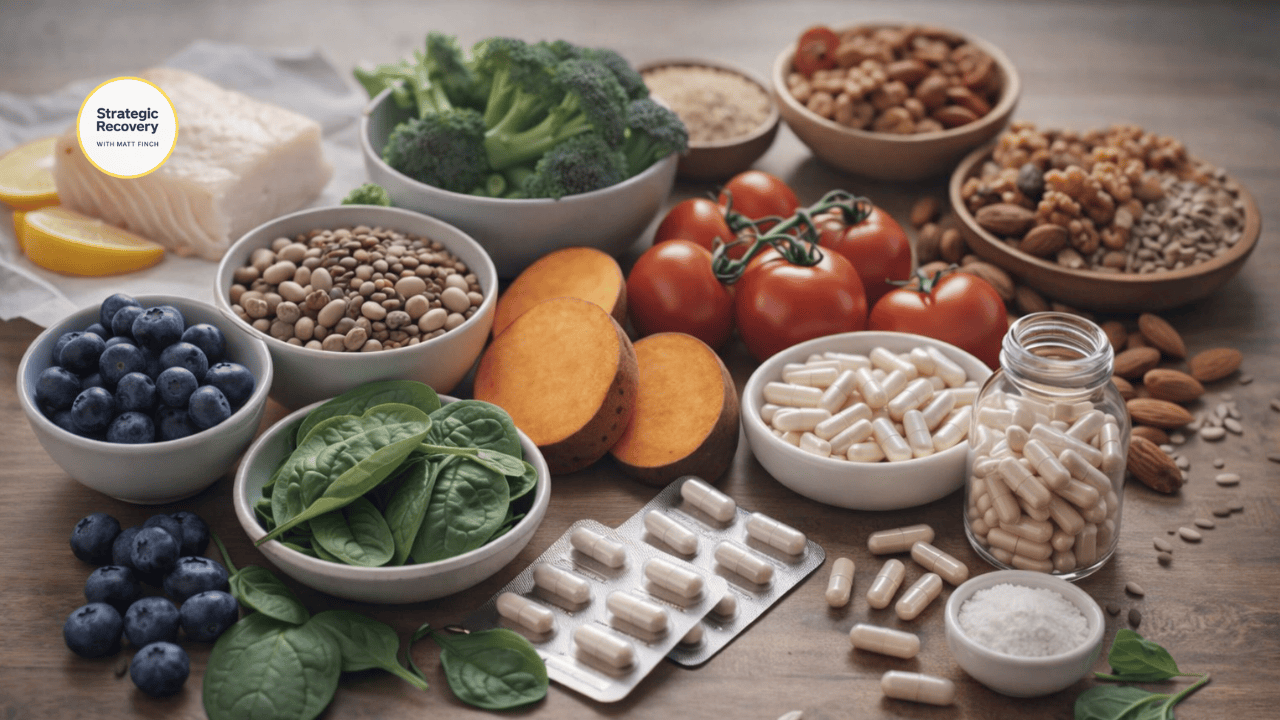
Food-Based GABA Support 🥦🍚
Diet plays a foundational role in neurotransmitter health.
Foods that support GABA production include:
- Fish (halibut, shrimp)
- Lentils and beans
- Brown rice
- Spinach and broccoli
- Tomatoes
- Sweet potatoes
- Berries
- Walnuts, almonds, sunflower seeds
Key Supplements for GABA Optimization 💊
L-Theanine 🍵
- Increases GABA, serotonin, and dopamine
- Crosses the blood-brain barrier
- Promotes relaxed alertness
- Reduces stress and withdrawal symptoms
Magnesium 🧲
- Modulates GABA receptors
- Reduces excitatory neurotransmission
- Supports sleep and muscle relaxation
Vitamin B6 🔑
- Required for GABA synthesis
Taurine ⚡
- Activates GABA receptors
- Dampens stress hormones
GABA-Supporting Herbs 🌿
Chamomile 🌼
- Contains apigenin, which binds to GABA receptors
- Reduces anxiety and improves sleep
Passionflower 🌸
- Increases brain GABA levels
- Mild MAO-inhibiting effects support mood
Lemon Balm 🍋
- Inhibits GABA breakdown
- Calms anxiety, improves sleep, supports digestion
Kava 🥥
- Potentiates GABA receptor activity
- Produces calm without cognitive dulling
- Must be sourced responsibly and used cautiously
Valerian 🌙
- Binds to GABA receptors
- Reduces anxiety and improves sleep quality
- Should not be combined with alcohol or sedatives
Strategic Recovery™ GABA Optimization Protocol 🧬
This is a foundational nervous-system protocol — not a quick fix.
1 Phase 1: Remove GABA Drainers
2 Phase 2: Rebuild Biochemistry
3 Phase 3: Herbal Nervous System Support
4 Phase 4: Nervous System Retraining

Low-GABA Self-Assessment
Answer yes or no to the following:
Key Takeaways 🔑
Here’s the big picture — distilled into practical, recovery-relevant truths.
GABA is the brain’s primary inhibitory neurotransmitter — the “brakes” that help the nervous system downshift.
Low GABA often shows up as anxiety, insomnia, and craving vulnerability — especially under stress or sensory overload.
Addiction frequently reflects a regulatory problem, not a moral problem — the system is trying to self-stabilize the only way it currently knows how.
Alcohol and benzodiazepines can create short-term relief by amplifying inhibitory signaling — then contribute to rebound anxiety as the brain adapts.
Rebound anxiety is neurobiology: relief can be followed by a louder stress response as tolerance and withdrawal dynamics build.
GABA support is multi-factor — nutrition, sleep, movement, stress modulation, and environment all influence inhibitory tone.
Food-based support matters: nutrient-dense inputs give the brain raw material for steadier signaling.
Stabilizing the nervous system reduces cravings at the root by lowering baseline threat and improving regulation capacity.
Consistency beats intensity: repeated, low-friction regulation practices compound into real change over time.
Your nervous system is not broken.
It’s simply been running without brakes — and brakes can be rebuilt.
Disclaimer
This article is for educational purposes only and is not medical advice. Always consult a qualified healthcare professional before starting any new supplement, especially if you have existing medical conditions or take prescription medications.


Leave a Reply