Low Serotonin and Addiction (And Why Comfort Becomes Compulsion): How to Restore Emotional Stability Naturally
Addiction is often framed as a failure of willpower, discipline, or morality.
But for many people, addiction has a quieter — and far more biological — origin:
👉 A nervous system that cannot sustain emotional well-being or inner stability.
At the center of this issue is one of the most misunderstood neurochemicals in recovery:
🧠 Serotonin — the brain’s primary regulator of mood stability, emotional safety, impulse control, and psychological comfort.
When serotonin is low, life doesn’t necessarily feel painful.
It feels empty, restless, uneasy, or emotionally unsafe.
Comfort becomes elusive.
Mood becomes fragile.
Thoughts become sticky.
And the nervous system begins searching for something — anything — that can create relief, reassurance, or emotional grounding.
This article explores the low-serotonin–addiction relationship, how it forms, why it becomes self-reinforcing, and how to restore serotonin balance naturally — without replacing one dependency with another.
By the end, you’ll understand not only what serotonin does —
but how to support it safely, sustainably, and strategically in addiction recovery.
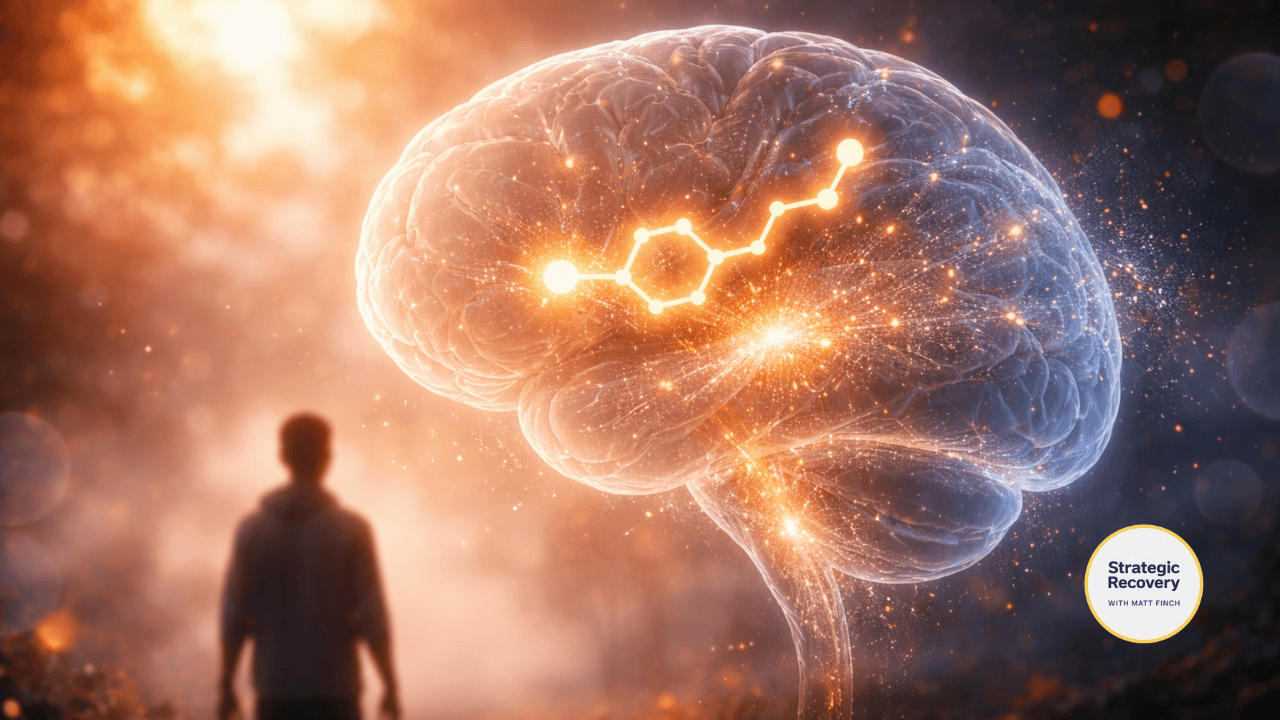
What Is Serotonin? 🧠✨
Serotonin is a monoamine neurotransmitter and emotional relaxant.
In simple terms:
👉 Serotonin is the nervous system’s “everything is okay enough” signal.
What Serotonin Supports
Serotonin is the nervous system’s “safe enough” signal — it stabilizes mood, softens reactivity, and makes daily life feel livable.
Serotonin doesn’t create pleasure spikes. It creates baseline well-being.
Serotonin doesn’t make life exciting. It makes life livable.
What Happens When Serotonin Is Low? ⚠️
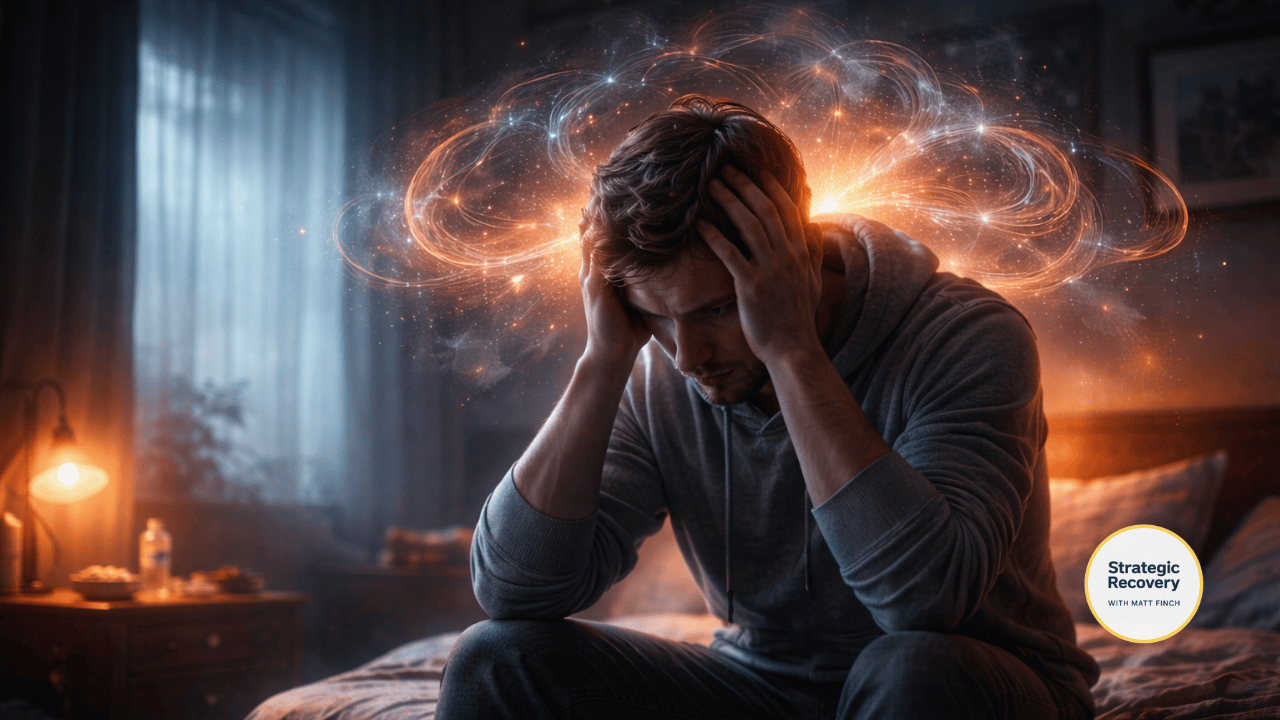
Low serotonin creates a state of internal discomfort and emotional instability.
Low-Serotonin Symptoms
Low serotonin doesn’t just affect mood — it destabilizes emotional safety, impulse control, and the ability to feel settled inside your own mind.
Many people with low serotonin don’t feel sad.
They feel uncomfortable in their own mind.
Thoughts won’t settle. Emotions feel unregulated. Stillness feels unsafe.
This is fertile ground for addiction.
The Low-Serotonin–Addiction Loop 🔁
Serotonin deficiency and addiction form a self-reinforcing feedback loop.
There are two primary entry points.
Low Serotonin → Substance or Behavior Use
Some individuals begin life with lower baseline serotonin — which can make comfort scarce and emotional stability harder to sustain.
These individuals often discover — consciously or unconsciously — that certain substances or behaviors provide temporary emotional comfort.
Common serotonin-boosting escapes include:
When comfort is scarce, the nervous system will gravitate toward whatever creates temporary emotional ease.
“This makes me feel okay for a moment.”
Substance or Behavior Use → Lower Serotonin
Others begin using substances without pre-existing serotonin issues. But repeated artificial mood regulation trains the brain to adapt — and natural stability becomes harder to access.
Over time, natural emotional stability becomes inaccessible without the behavior.
The nervous system is no longer regulating mood internally — it’s outsourcing comfort.
Both paths lead to the same outcome: a system that requires external soothing to feel okay.
Why Alcohol Feels Comforting — Then Becomes Punishing 🍷
Alcohol increases serotonin release temporarily while simultaneously activating GABA.
Alcohol & Serotonin: Relief Now — Debt Later
Alcohol can temporarily increase comfort and reduce anxiety — but repeated use tends to undermine serotonin balance, gut signaling, and baseline emotional stability.
Many people don’t drink to feel good.
They drink to feel less uncomfortable in their own mind.
That’s a serotonin story.
Sugar, Carbs & Comfort-Driven Eating 🍩
When serotonin is low, the brain instinctively reaches for foods that promise fast comfort and emotional steadiness.
“Comfort Foods” & Serotonin: Relief Now — Debt Later
Comfort foods can temporarily increase comfort and reduce anxiety — but repeated consumption tends to undermine serotonin balance, gut signaling, and baseline emotional stability.
Comfort eating isn’t a lack of discipline.
It’s often a serotonin deficiency seeking stability.
Root Causes of Serotonin Deficiency 🌱
Low serotonin rarely occurs in isolation.
Common Low-Serotonin contributors include:
Can You Supplement Serotonin? 🤔
(Yes — But Carefully and Strategically)
Serotonin itself cannot be supplemented directly.
However, it can be supported indirectly through precursors and cofactors.
The key distinction in recovery is:
👉 Support stability — not artificial mood elevation.
Below are the most relevant tools.
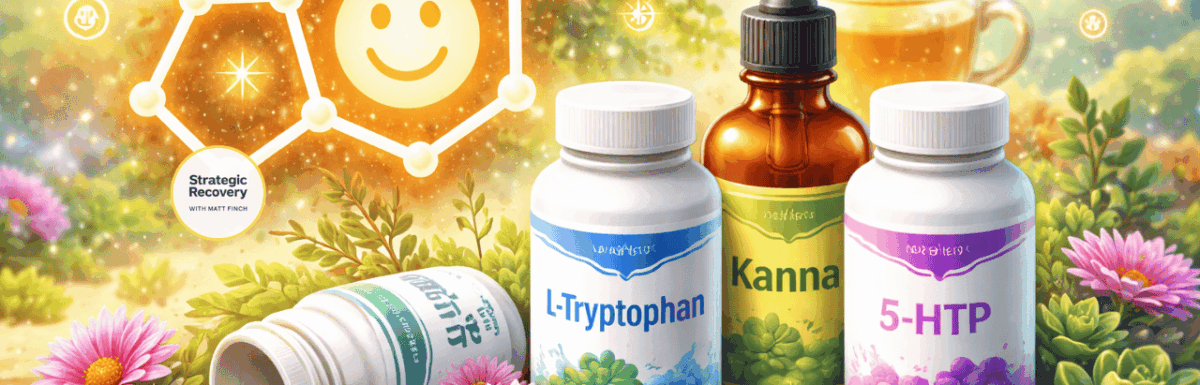
L-Tryptophan: Foundational Serotonin Support 🧬
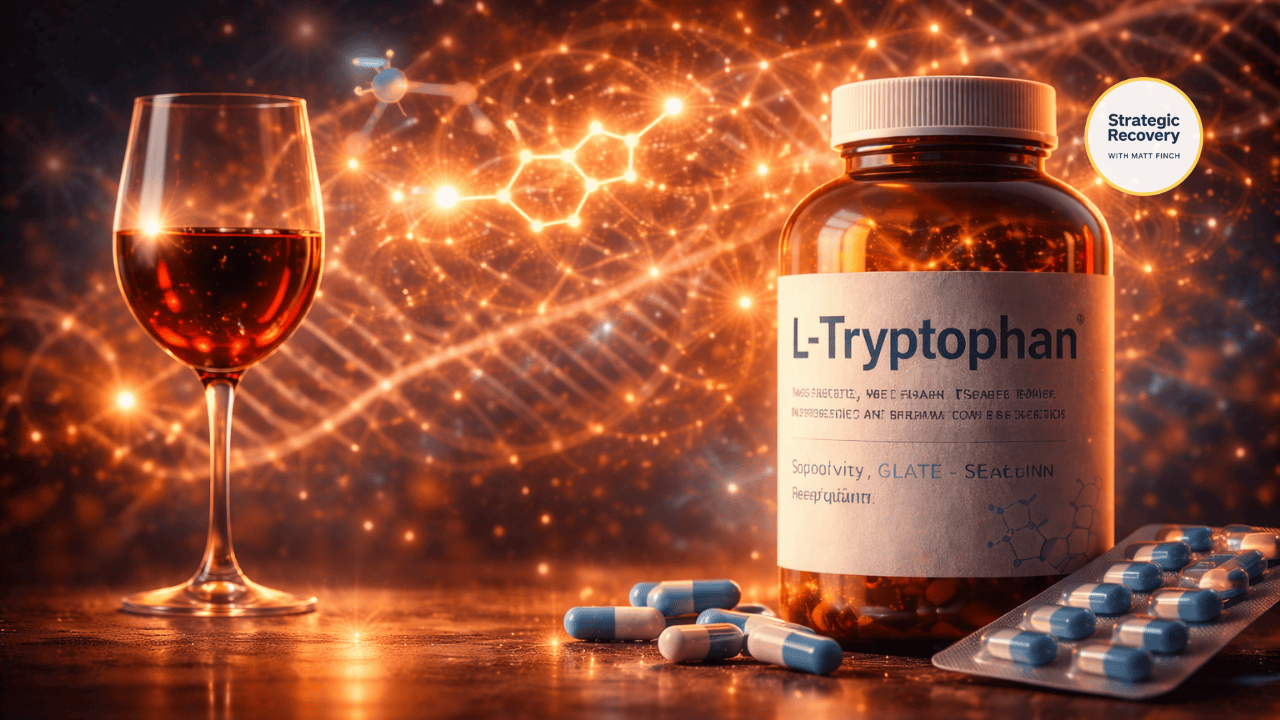
L-Tryptophan is an essential amino acid and the body’s primary raw material for serotonin production.
The pathway is simple and physiological:
Rather than forcing serotonin, tryptophan supports the entire mood–sleep–stability cascade in the order the body naturally prefers.
5-HTP: More Direct — But Not Always Better ⚠️
5-HTP is the immediate metabolic step before serotonin and bypasses the body’s first regulatory checkpoint.
For some people, 5-HTP provides meaningful relief. For others (myself included), it feels too strong, flattening, or destabilizing.
5-HTP is not a first-line tool. It may be useful later — but only when stability is already present.
Stability comes first. Relief follows. Intensity is optional — and often unnecessary.
Kanna (Sceletium tortuosum): Serotonin Support Through Calm Connection 🌿
Kanna (Sceletium tortuosum) is a South African succulent used for thousands of years by the San and Khoikhoi peoples as a natural aid for steadiness and social ease.
How Kanna Works in the Brain 🧠
Kanna is unique among serotonin supports because it regulates serotonin signaling rather than forcing production or flooding receptors.
Kanna inhibits the serotonin transporter (SERT), increasing serotonin availability in the synapse — similar to SSRIs, but:
Kanna also inhibits phosphodiesterase-4 (PDE-4), an enzyme involved in stress signaling and neuroinflammation.
Emerging evidence suggests Kanna also modulates GABA and glutamate, helping explain why it:
What Is Zembrin®? 🧪
Zembrin® is a clinically studied, standardized Kanna extract designed for consistent potency, purity, and predictable effects — which matters a lot in recovery.
Kanna doesn’t suppress emotion — it helps emotions become manageable. That’s why it can be a powerful serotonin tool in recovery: calm, comfort, and connection without escape.
Avoid combining Kanna with SSRIs, SNRIs, or MAOIs without professional guidance. Start low, assess sensitivity, and use rhythmically (grounding support, not compulsive use). If any tool creates agitation, instability, or dependency-pattern energy — it’s not the right fit.
Want the deep dive? Read the full guide: Kanna, Serotonin & Addiction Recovery
Why Kanna / Zembrin® Is My #1 Preferred Serotonin Tool in Recovery 🧠🌿
From a Strategic Recovery™ perspective, Kanna stands out because it:
👉 A felt sense of safety, comfort, and social ease — without escape.
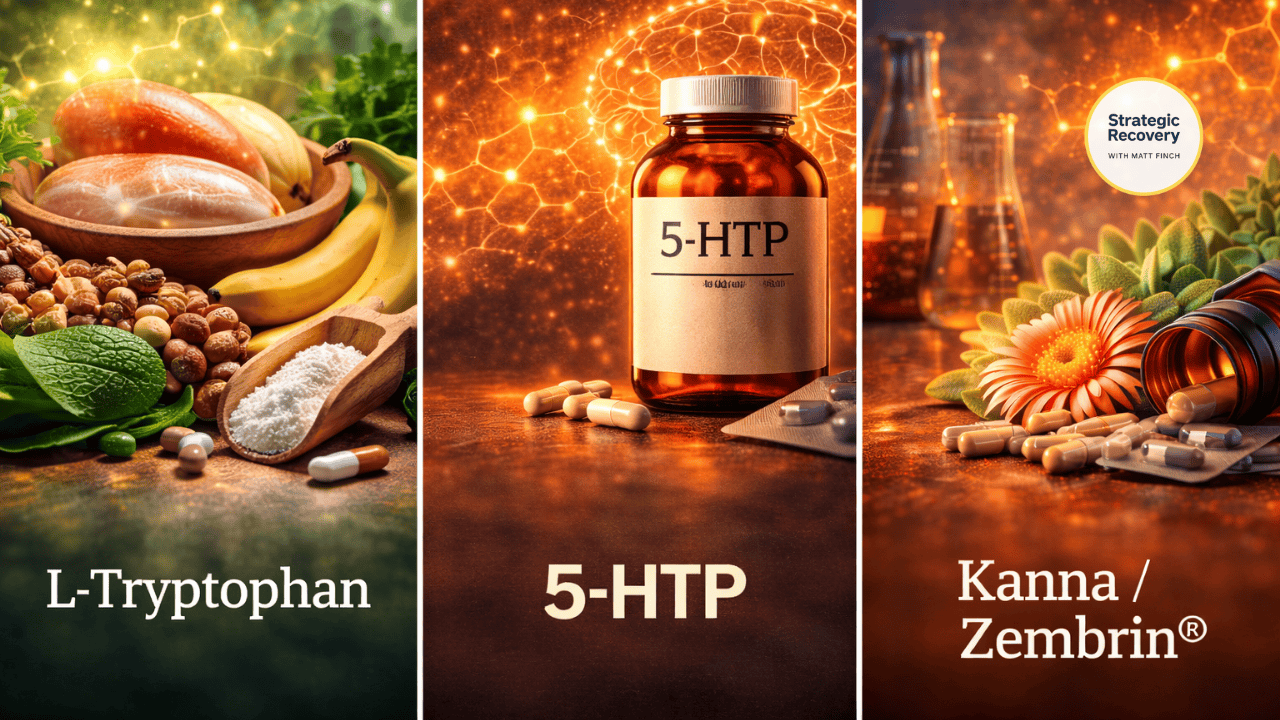
🧬 L-Tryptophan VS 5-HTP VS Kanna / Zembrin®: Serotonin Support Compared
Think of this as a nervous-system fit test: foundation (tryptophan), direct push (5-HTP), and regulation + connection (kanna). In recovery: stability over intensity.
| Feature |
🧱 L-Tryptophan
Foundational
|
⚡ 5-HTP
More direct
|
🌿 Kanna / Zembrin®
Regulating
|
|---|---|---|---|
| Primary Action | Provides raw material for serotonin synthesis | More direct serotonin precursor (closer to serotonin) | Increases synaptic serotonin availability + stress modulation |
| Mechanism | Tryptophan → 5-HTP → serotonin → melatonin | Converts to serotonin more directly (bypasses first step) | SERT inhibition (SSRI-like, gentler) + PDE-4 inhibition + possible GABA/glutamate modulation |
| Effect Profile | Foundational, gradual, stabilizing | Stronger, faster, more “pushy” for some | Calm, connected, socially easing; “regulating” feel |
| Onset | Slower (days to weeks) | Faster (hours to days) | Often noticeable within 1–2 hours (especially Zembrin®) |
| Best For | Anxiety + low mood + sleep issues + rumination (gentle rebuild) | More pronounced low mood/serotonin symptoms when tryptophan isn’t enough | Anxiety, stress sensitivity, rumination, social tension, emotional rigidity |
| Nervous System Sensitivity Fit | ✅ High | ⚠️ Moderate | ✅ High–Moderate |
| Common Side Effects | Rare; sometimes sleepiness or vivid dreams | GI upset, emotional blunting, agitation in sensitive users | Occasional headache, GI sensitivity, overstimulation in rare cases (dose-dependent) |
| Risk of Overactivation | Low | Moderate | Low–Moderate |
| Sleep Support | Yes | Sometimes (varies) | Indirect; can reduce anxiety (sleep may improve) |
| “Mood-Hacking” Risk | Low | Moderate | Low–Moderate |
| Medication Interaction Risk | ⚠️ Caution | ⚠️ Higher caution | ⚠️ Caution |
| Best Recovery Phase Fit | Early → late recovery (stable foundation) | Mid → late recovery (or carefully in early recovery) | Early → mid recovery for stress/anxiety/connection support |
| Strategic Recovery™ Role | “Rebuild the base” | “Targeted boost if needed” | “Regulate stress + serotonin availability + social ease” |
| Overall Nervous System Impact | Grounding, steady, supportive | Can be strong; sometimes destabilizing | Calm clarity, softened edges, better emotional flexibility |
Serotonin Support Is Not About Forcing Happiness
If a supplement makes you feel:
…it’s not restoring serotonin balance — it’s masking dysregulation.
The goal is emotional resilience, not artificial calm.
Natural Ways to Increase Serotonin 🌿
Without Creating Dependency
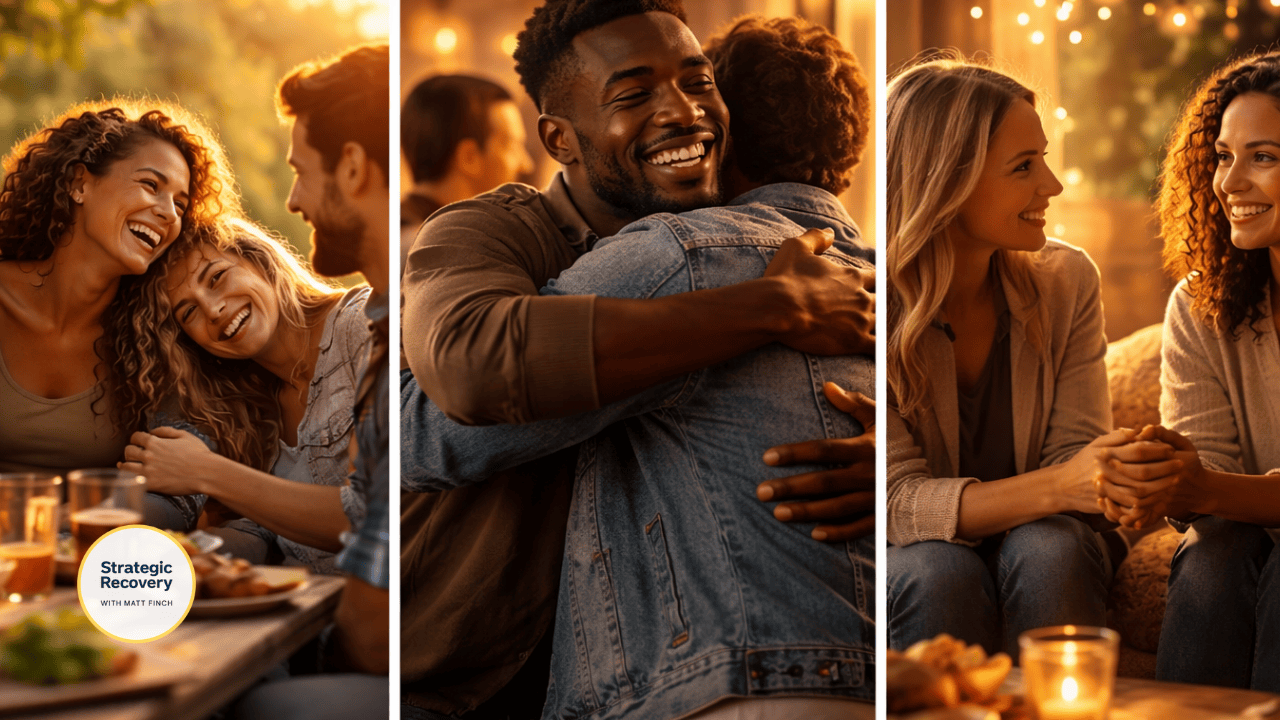
Serotonin rises when the nervous system receives signals of:
- Safety
- Predictability
- Belonging
- Rhythm
- Meaning
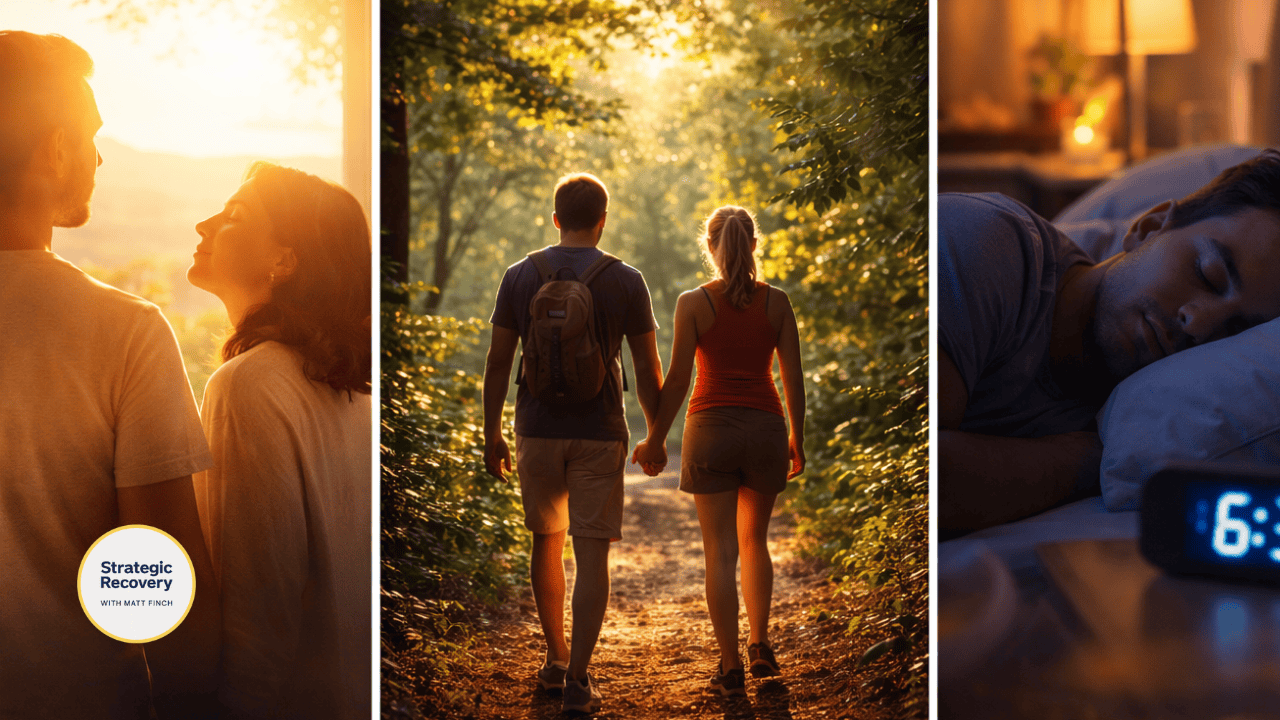
1️⃣ Sunlight & Circadian Rhythm ☀️
Sunlight is one of the most powerful serotonin regulators.
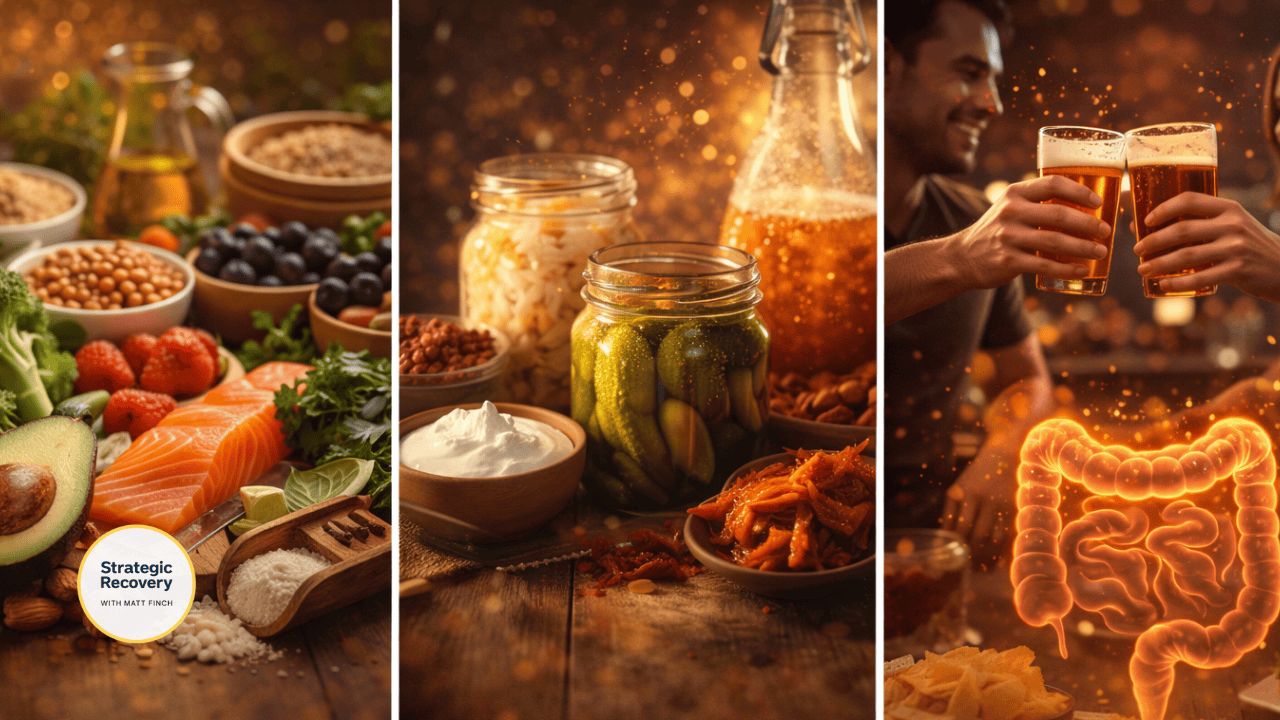
2️⃣ Gut Health = Brain Health 🦠
Over 90% of serotonin is produced in the gut.
Support through Whole foods and foundational gut practices:
3️⃣ Rhythmic, Moderate Movement 🚶♀️
Serotonin responds to predictable movement, not intensity.

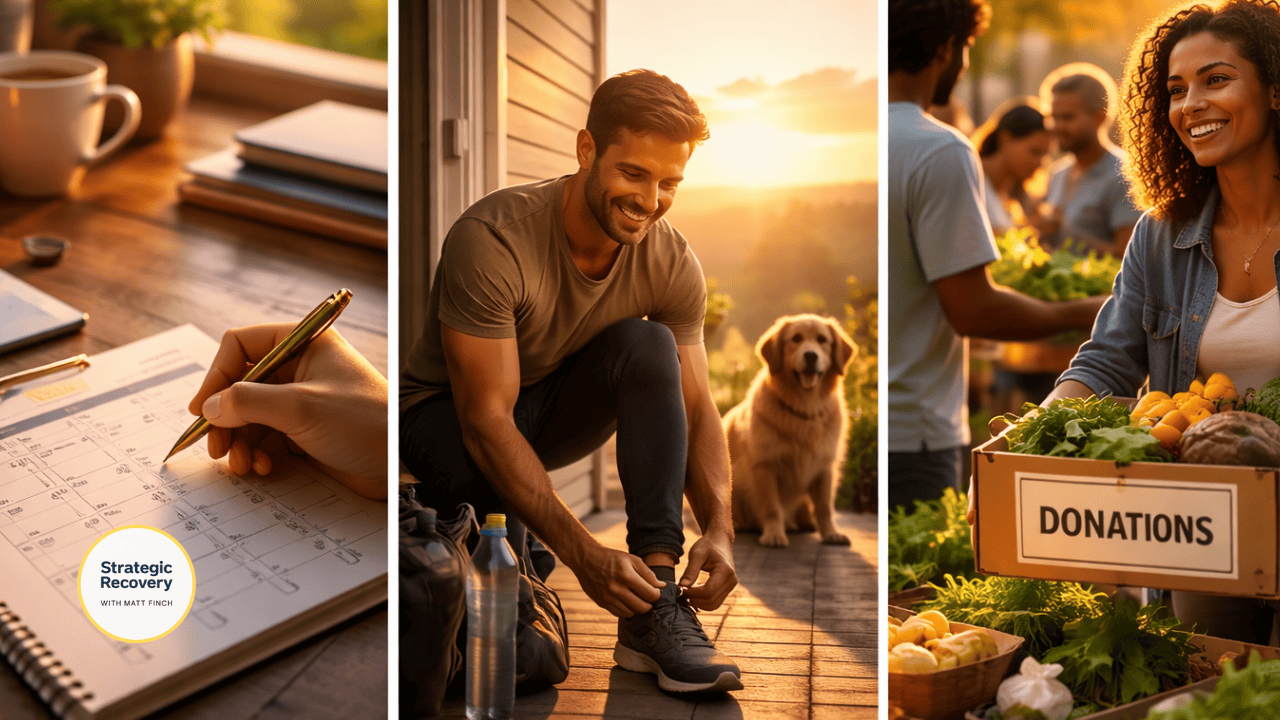
5️⃣ Order, Structure & Meaning 🧭
Serotonin thrives on:
Key Nutrients for Serotonin Health 💊
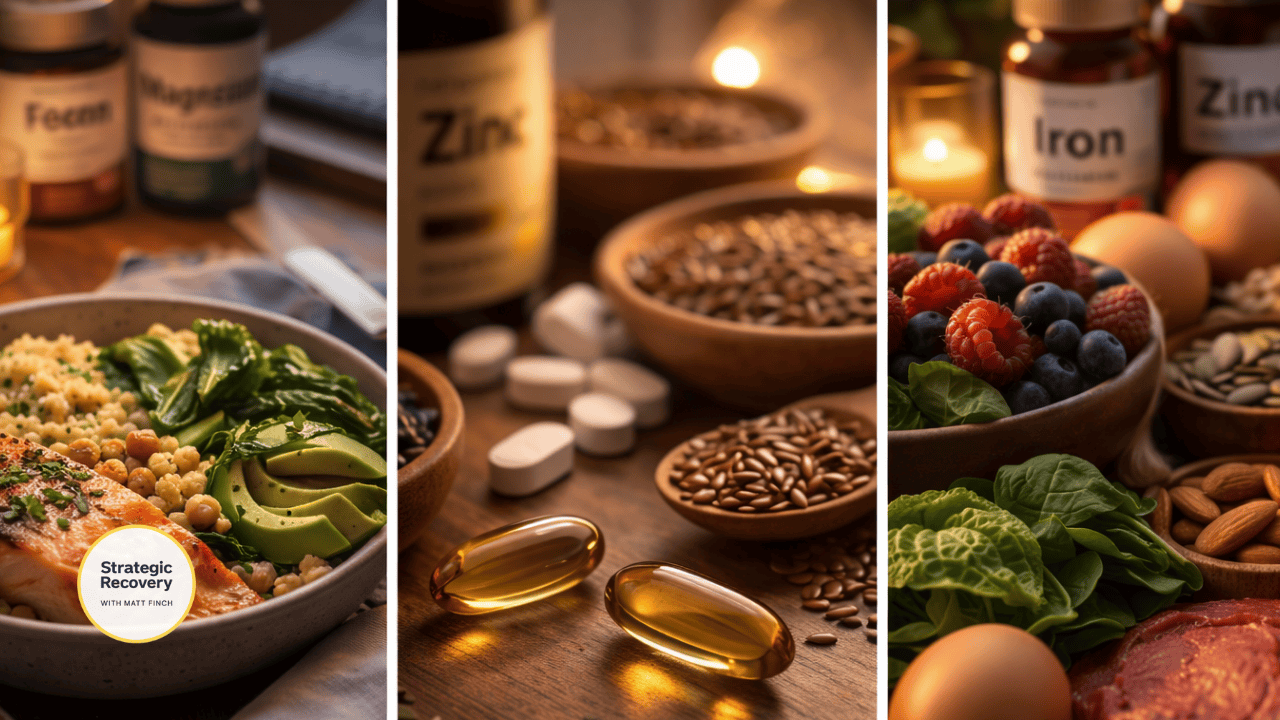
🧬 The Strategic Recovery™ Serotonin Optimization Protocol
This is a progressive system — not a checklist.
Move through the phases at your own pace.
The goal is simple: regulation that lasts.
🧠✨ 5-Phase Serotonin Restoration
This is a simple, phase by phase progression and not a checklist. Do what resonates and regulates and go at your own pace.
🧠 Low-Serotonin Self-Assessment
Answer yes or no:
Key Takeaways 🔑
Disclaimer
This article is for educational purposes only and is not medical advice. Always consult a qualified healthcare professional before starting any new supplement, especially if you have existing medical conditions or take prescription medications.


Leave a Reply